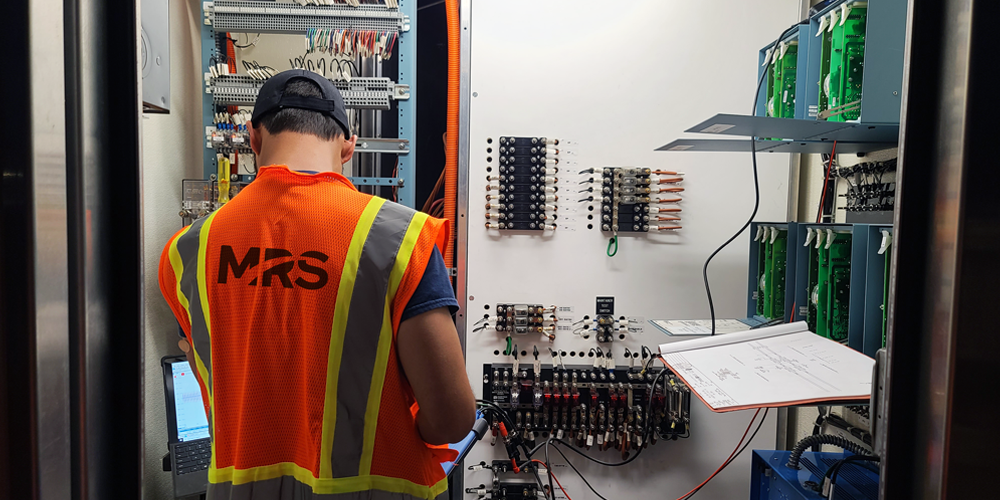
December 1, 2025
What "Better" Really Means
A take on how competition and complexity are rewriting the rules of transportation.
Article by Paul Rieger, President
So, what does better mean? The truth is, better is a hollow word. It sounds good, but on its own, it means nothing without context. There’s always room to interpret what better truly means, which is exactly why we must continually review what it represents to us an organization. It is a reminder that improvement is constant, necessary to separate us from the marketplace highlighting our expertise. A must that every project, every team, and every decision offers an opportunity to define and deliver something better than before.
As systems providers, we know that “better” only gains meaning when it translates into stronger connections between people, teams, and processes.
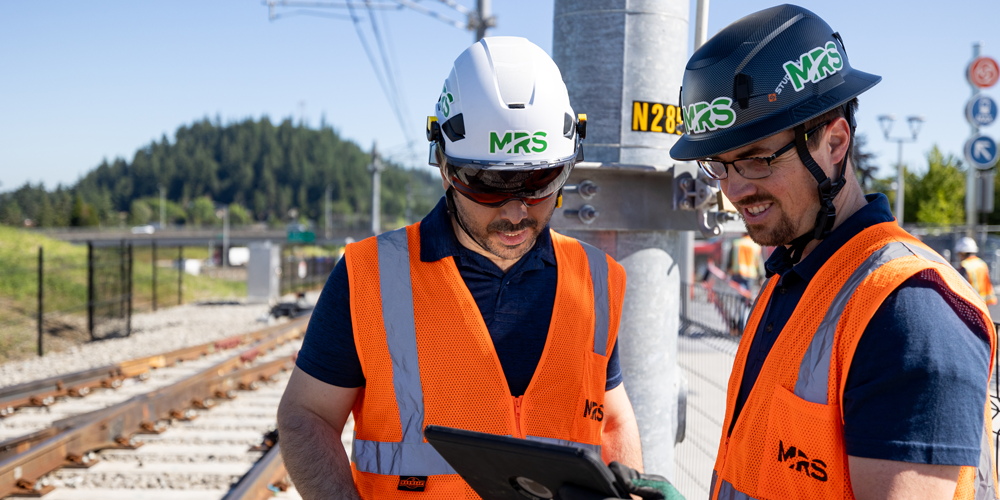
Better means going against the traditional grain.
It also means retiring a phrase that needs to leave our vocabulary: “we’ve always done it this way.” Not anymore. Better is about continually improving, questioning old assumptions - outside the box thinking simply repeating them is not best, acceptable practices for today’s environment, expectations are higher from the owner and from us.
As integrators we can be better in a singular way by “understanding” customer requirements not just accepting the words but the intent of their criteria; this foundation will yield positive results for the owner and ourselves. With that mindset, “better” stops being a vague aspiration and becomes a commitment to measurable outcomes, tailored for each need and context.
A better understanding also means looking beyond the immediate deliverables.
We have all heard about the 5 P’s = Proper Planning Prevents Poor Performance. This resonates across the entire threshold for an end user. What is it that we are delivering? How does this impact long term maintenance? Am I introducing new criteria that an owner currently does not deploy? These are a few of many considerations in the advanced stages that transforms “better understanding” from theory into actionable improvements for clients.
Better in the field starts with context.
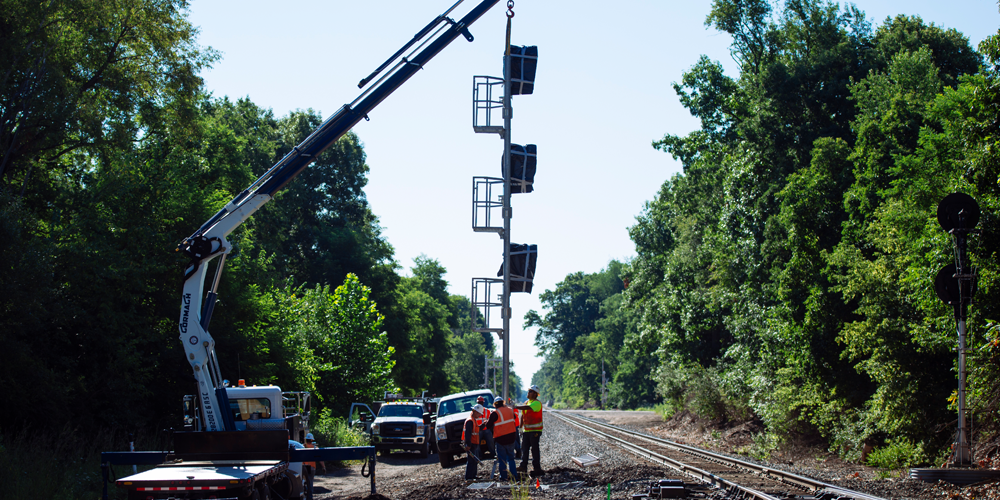
What looks clean on paper can look very different in reality. My personal involvement with Denver RTD’s West Line revealed this firsthand: working closely with our partner we performed joint design reviews between all disciplines and conducted early site walks uncovering conflicts and access challenges that would have otherwise remained hidden without this collaboration. Through these actions we helped prevent costly redesigns and project delays and built a foundation of trust.
Better communication sometimes means overcommunicating throughout.
Any project assumptions can be dangerous. What feels obvious to a designer may not be clear to a contractor; what’s routine for a contractor may raise red flags for an Owner. Overcommunicating means being intentional about clarity and repetition, so that no one is left guessing. It means translating decisions so there is no ambiguity for all stakeholders, and documenting discussions so commitments are not lost to memory. As project sizes grow, so does the complexity of delivering them—and the only way to keep momentum is through better communication at every stage. Ensuring clarity is paramount.
Being better is about keeping momentum.
Progress beats perfection every time. Waiting until everything “just right” often leads to stagnation, procrastination, or missed opportunities. Momentum builds confidence, skillsets and progress moves the project needle forward. It is too convenient to wait for all information before you decide to start – perfection does not equal success; momentum is better.
Better understanding means a well-rounded background.
Well-rounded is also a hollow word; experience plays a key role in our success, however, so does innateness. Finding that one individual(s) that may not have full credentials but the desire to learn more, contribute and encompass people skills not only for the betterment of the team but more importantly for themselves traditionally drives success. As leaders we need to open doors that others cannot see nor would have considered this is what our role as leaders require the ability to allow others to succeed.
"Well-rounded goes deeper than education and experience, it includes the softer skillsets that sometimes need nudge before you can realize the outcome."
Better is not the word. Context is.
Better on its own is hollow, just like perfection. Alone it is simply a slogan without substance. Context turns it into something real: we as partners must see through the eyes of the owners - our partners to ensure part of the entire solution not just what we have been contracted. Success of better only occurs with momentum, planning, belief in your team and collaboration. This drives accountability and ownership to be better.
"Because at the end of the day, context gives better its meaning."