July 22, 2026
Beyond the Lines
How one CAD specialist builds trust through accuracy, consistency, and attention to detail
Article by Greg Rome, Sr. Cad Specialist
To many people outside the industry, CAD may look like drawing lines on a computer. In reality, every line, block, layer, and note carries information that engineers, field personnel, and construction crews rely on.
Ultimately, our work contributes to the safety of the traveling public by helping build the reliable rail systems they depend on.
That’s why the questions matter, and why getting a little better every day makes a difference.
A correct drawing is only part of the goal. The information also has to be clear, coordinated, and reliable so that engineers and construction crews can use it confidently. 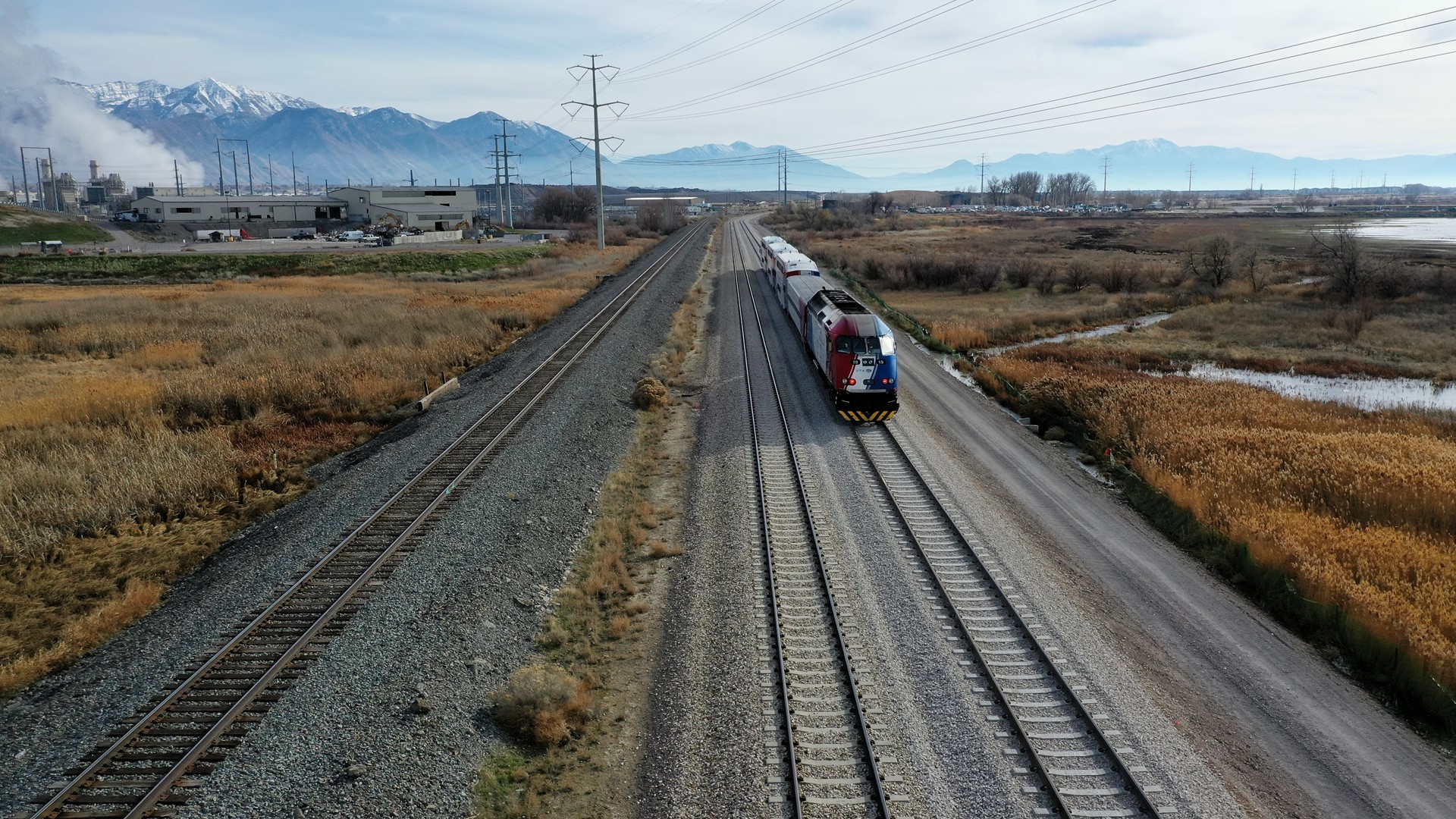
One thing about me that my team may already know is that I ask a lot of questions. I realize that can sometimes slow things down in the moment, but I've learned that knowing when to stop and ask for clarification is better than moving forward on assumptions.
I'd rather ask one more question up front than have someone discover a mistake later.
One incorrect assumption can affect multiple drawings, create unnecessary rework, or impact the people relying on that information in the field. Taking a little extra time up front always saves time later.
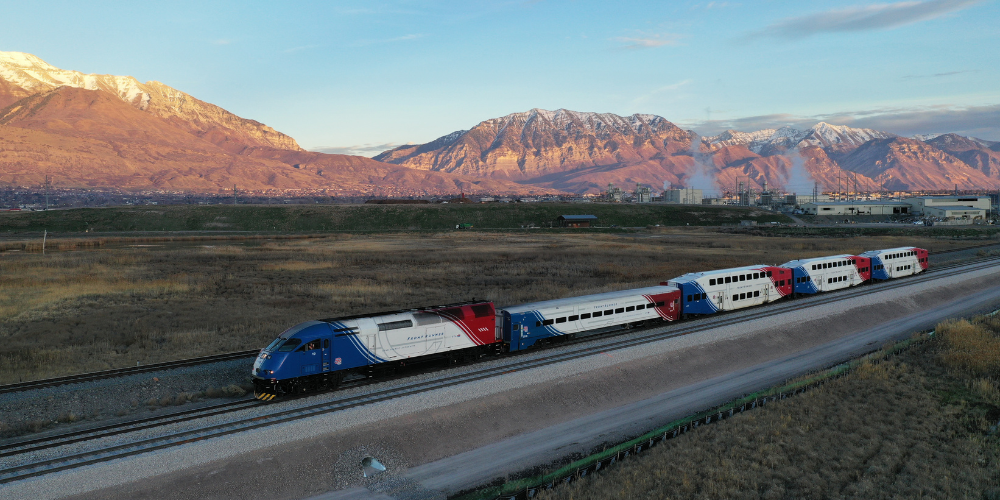
One project that really reinforced that philosophy has been FrontRunner Double Track (FR2X).
I was given the opportunity to develop a centralized Single Line master XREF that became the foundation for drawing packages and project phases. What started as a single reference drawing evolved into the central framework supporting multiple project phases and drawing packages.
Because FR2X involved multiple signal-side drawing packages and project phases, the potential for repeated information was significant within the areas supported by the Single Line master XREF. It was developed from the start to help keep the applicable information consistent, coordinated, and easier to manage. This standardized approach improved consistency, reduced repetitive work, and simplified revisions for the engineering and CAD team.
Instead of treating each revision as a separate drafting task, we focused on creating a stronger framework behind the drawings.
This improved how we present our work to the client. When every drawing follows the same standards and updates consistently, it builds confidence that the information is accurate and well organized.
I've learned over the years to not rush toward a solution. I want to understand the root cause because solving the root cause instead of treating the symptoms always produces a better long-term result. It doesn't just improve one drawing or help meet one deadline. It improves the process and helps prevent the same problem from happening again.
For anyone starting in this field, my advice is simple: build strong habits from the very beginning. Make it a goal to learn something new every day.
That's the line running through all of it. Asking one more question, building a standard instead of a shortcut, learning one small thing today you didn't know yesterday: it all comes down to the same discipline.
Every line still represents a decision, and every day on this job is a chance to make sure it's the right one.