
August 20, 2026
Bringing Multiple Perspectives to Quality
How experience across rail operations and construction informs Casey Goldin's work at MRS
Article by Casey Goldin, Corporate Quality Manager
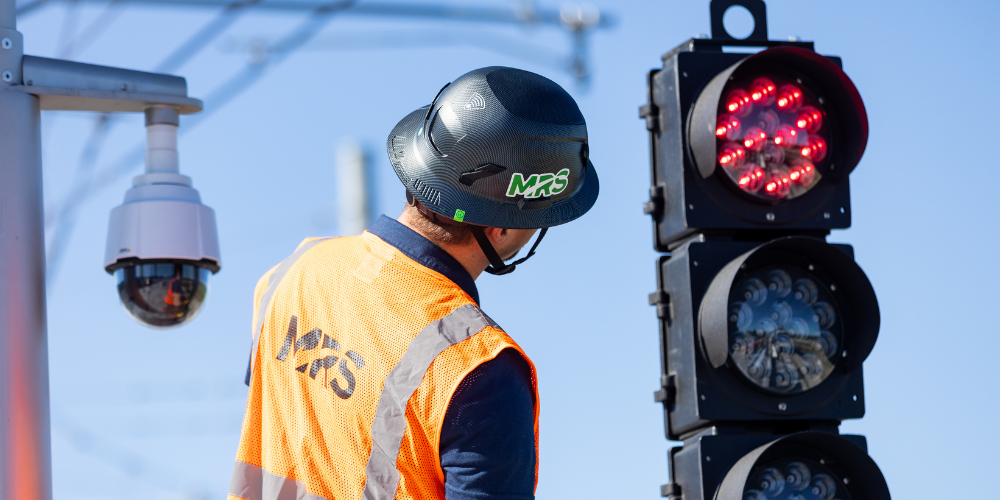
One of the first lessons I learned working in the rail industry is that quality is built through the people doing the work and the different perspectives they bring to it.
I began my career as an Intelligence Analyst in the USAF, where I learned the importance of precision and accuracy in high-stakes environments. That mindset carried directly into my work in the rail industry, starting in freight rail before moving to TriMet in Portland, where quality meant keeping transit safe and efficient for hundreds of thousands of daily riders. Managing teams on both the maintenance and transportation sides showed me how front-line execution impacts the bigger picture.
I joined Modern Railway Systems (MRS) as a Project Engineer and recently transitioned into the role of Corporate Quality Manager. That background has given me the opportunity to see projects from the owner’s, operator’s, and now the contractor’s perspective. Each role has shaped how I approach quality and reinforced how important it is to understand what is happening in the field, what the project team needs to know, and how we act on that information.
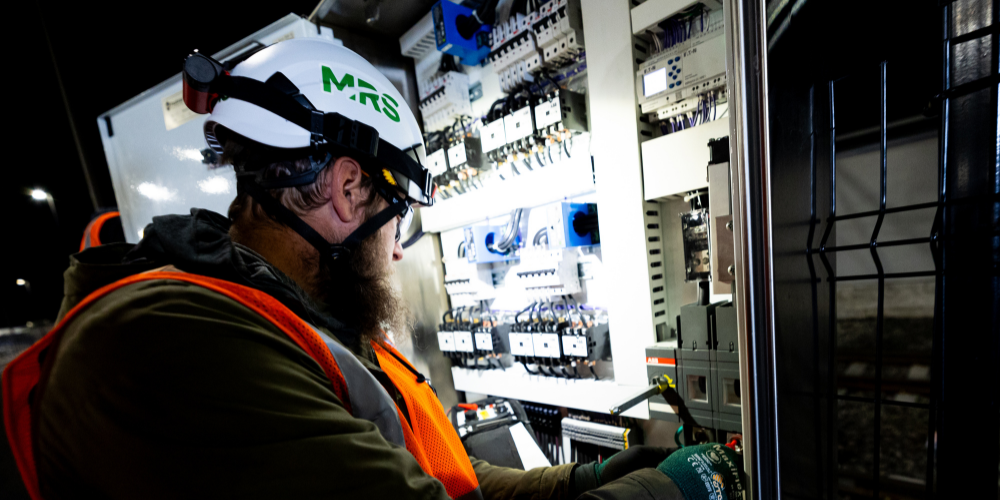
I support every project across MRS. I work with project managers, area managers, and field teams to perform audits and inspections, verify compliance with specifications, and make sure our documentation supports the projects we’re a part of. I help bridge the gap between contractor execution and owner expectations and build a culture where quality is a shared responsibility, not just a policy or plan.
When an issue comes up, we take the time to understand what caused it, who it affects, and what needs to change.
For example, during project audits, we identified Buy America documentation as a recurring finding. This documentation includes the certifications and records needed to verify that products and materials meet U.S. domestic content requirements for federally funded projects. I’ve learned that addressing an issue means understanding it from multiple perspectives. From the owner’s perspective, it’s understanding why the documentation matters for compliance, while from the contractor and operator perspectives, it’s understanding how those requirements are carried out in the field.
In partnership with the Quality Team, we implemented a comprehensive Buy America refresher training to help operations personnel understand what documentation is required. The training allowed us to address the issue at its source and give our teams the knowledge they need to prevent the same finding from happening again.
That kind of collaboration is what I enjoy most about my job. I get to meet different teams, work across projects throughout MRS, and travel to job sites. Every team brings something unique, whether it’s the field team’s understanding of how the work gets built, a project manager’s view of the bigger picture, or an area manager’s experience across multiple projects. Learning from each of those perspectives helps me understand how all the pieces of a project come together.
The connections made with those teams make it easier to work through challenges together. When we identify an issue, we can work with the people closest to it to find a solution and then look at how that lesson can be applied elsewhere or carried forward to the next project. Over time, those conversations, decisions, and lessons become part of how we approach quality across the company.
When we all work together and share our expertise, quality goes from being a final check mark on a list to an essential part of the entire process and part of the culture at MRS, where people are willing to ask questions, share knowledge, and work through challenges together.
In my role, that culture makes a difference because I’m supported by people across MRS who bring their own experience and expertise to the table. That same culture extends to our customers. When our teams take ownership and bring their own perspectives, we build stronger connections with the people we work with.